I’ll be honest with you. A year ago, if you’d asked me whether AI would fundamentally change how I build software, lead teams, and solve problems, I’d have said “probably, eventually.” That uncertainty is gone.
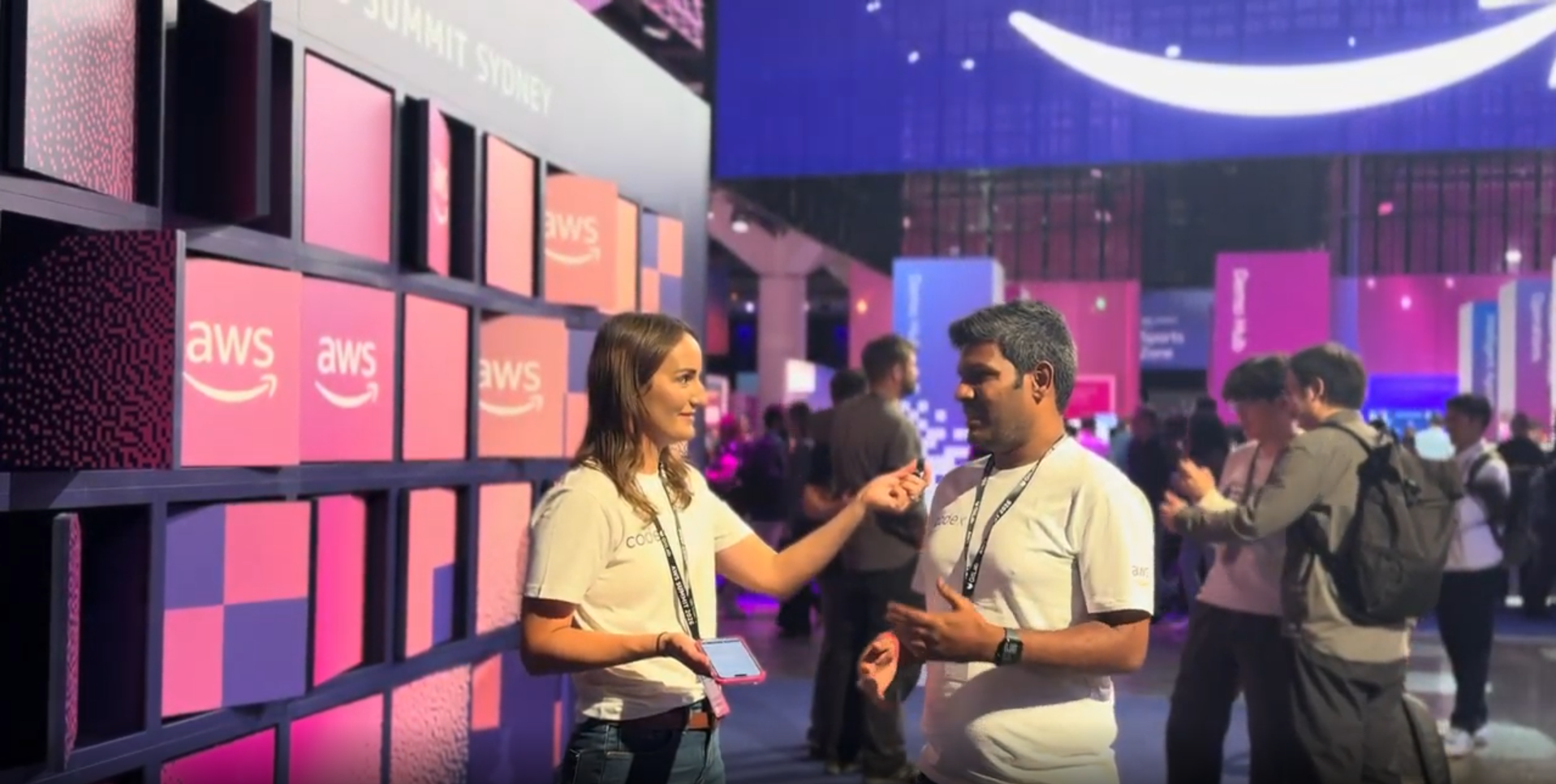
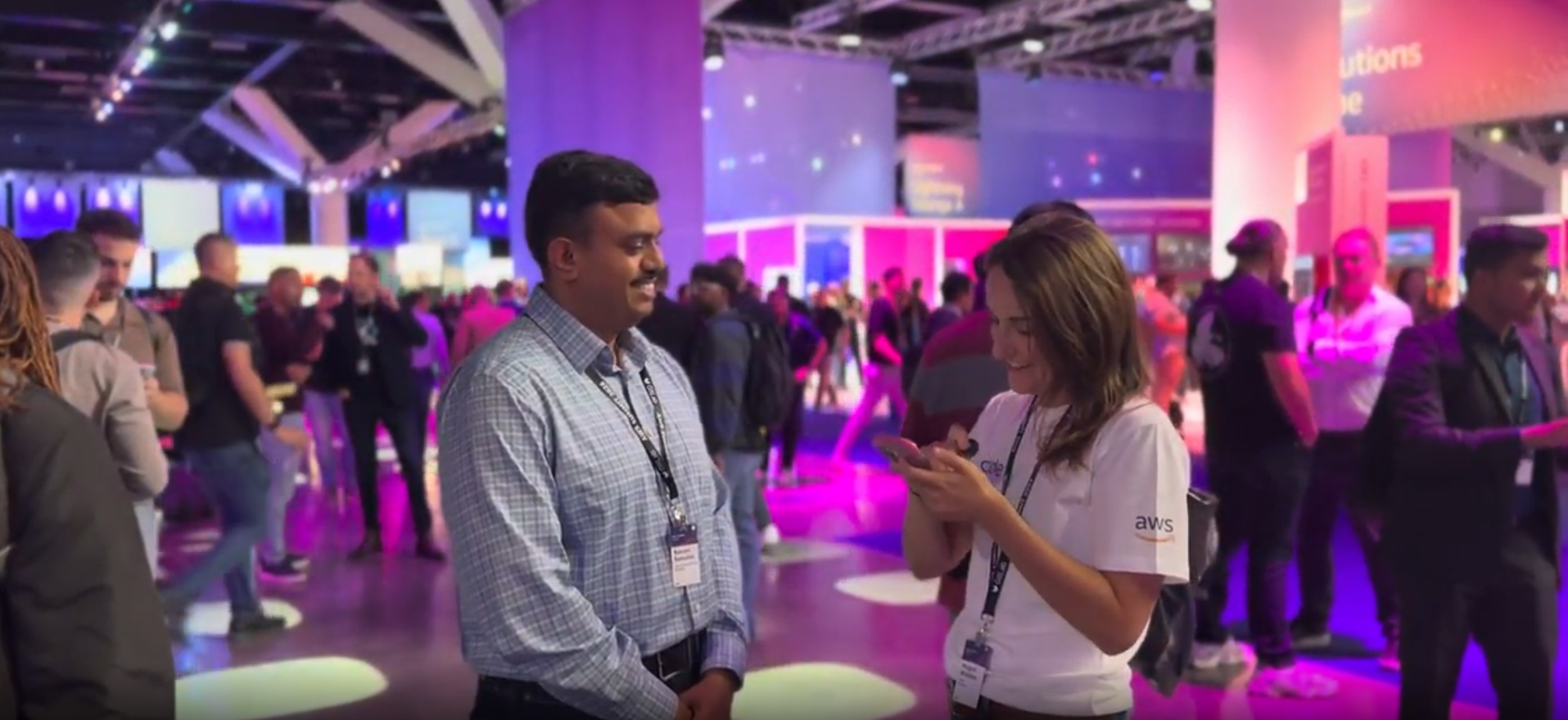
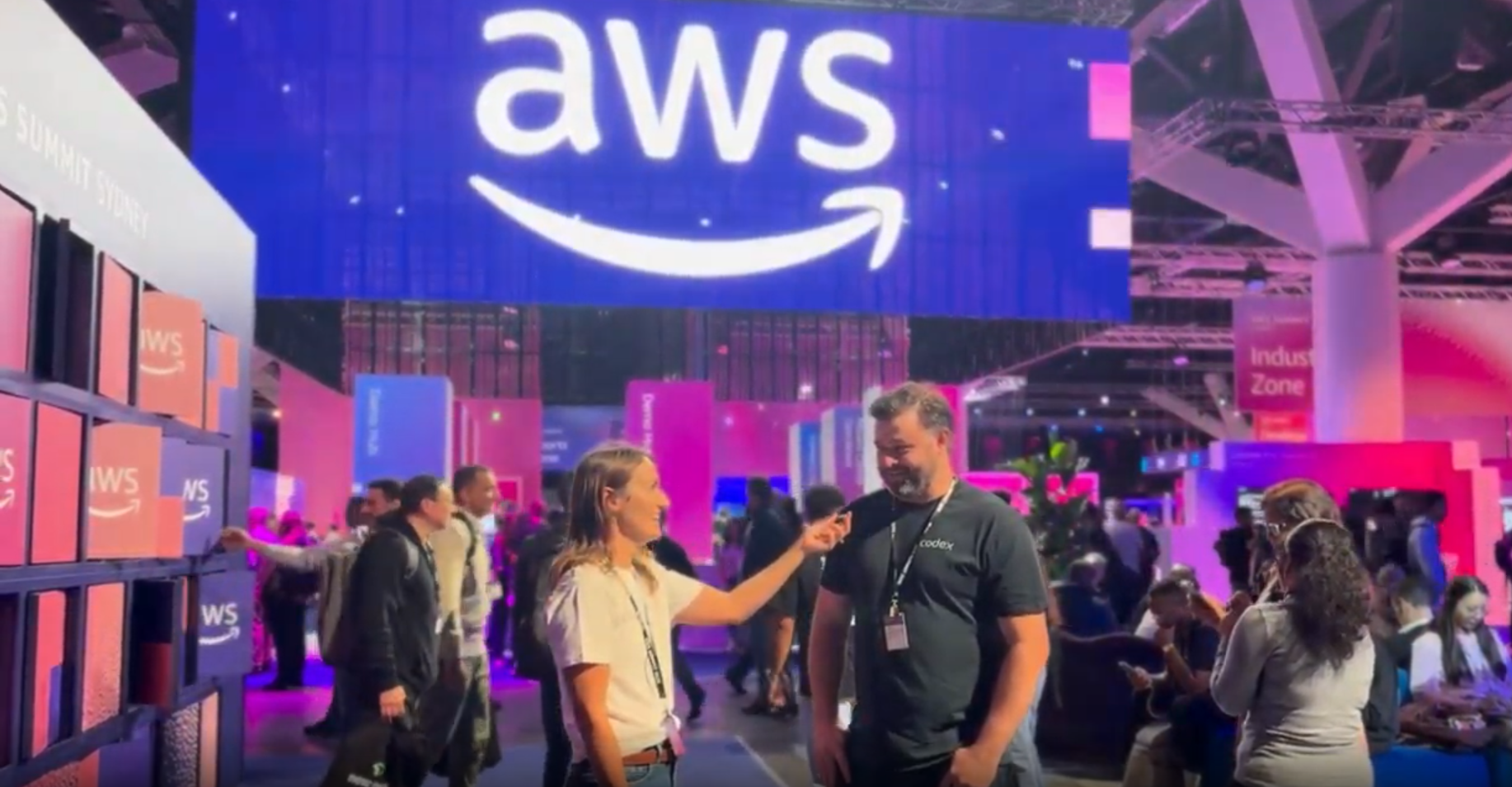
This year at the AWS Summit in Sydney, I watched the gap between “exploring AI” and “being left behind by AI” collapse in real time. I didn’t see it in a promise during a keynote, it was right there for everyone to see in the tools and the demos on the convention floor. Conversations I had with engineering leaders across a dozen businesses and partners showed they are already shipping at both a quality and pace that would have been absurd eighteen months ago.
Here’s how that looks from my perspective: At Codex, we’re using Kiro and Amazon Quick extensively. It’s not an experiment, proof-of-concept, or an easy project that only proves the tools work on the surface. These tools have become a core part of how we deliver across the board. Kiro will plan and execute a comprehensive set of actions that are reliably on par with the efforts of a senior-level engineer. Quick lets you point at a data source and, without any specialist knowledge, produce and publish a fully featured analytics dashboard with filters, drill-down, and time period selection… in just minutes. Not days or weeks.
This doesn’t only apply to developers, either, these tools benefit everyone from HR to marketing to senior management.
The shift I saw at Summit.
The Builders Day sessions reinforced something I’ve been feeling for months: we’ve already crossed a threshold. Agentic AI is no longer a chatbot plug-in on top of an existing stack, it’s a new operating model from the ground-up across all areas of the business. It marks a shift in how we think, how we approach problems, and how we design and deliver the solutions. The tools aren’t only assisting development anymore, they’re planning, executing, validating, and iterating with full autonomy. The developer’s role has shifted from “write the code” to “define the intent and govern the output.”
What this means for your organisation.
I’ll speak plainly, because I think the stakes warrant it: if your organisation is putting off adoption of AI, the market is going to shift beneath you faster than you can imagine. Months of development has been reduced to hours. The agility with which teams can respond to end-user demands is unprecedented.
This isn’t about replacing people. It’s about what becomes possible when your people are augmented by tools that remove the friction between idea and execution. Great outcomes still depend on sound judgement, clear strategy, strong execution, and trust with your customers. AI doesn’t remove the need for those things, it increases the leverage of the people who already bring them.
Your people are your best asset. Uplift them, enable them, and give them the tools to harness the acceleration and innovation AI has to offer. Done well, AI adoption won’t diminish their value, it will multiply it.
What I’d tell any leader right now.
Stop treating AI adoption as a future initiative when it’s a current capability gap. The organisations moving fastest aren’t the ones with the biggest budgets, they’re the ones with the least fear of changing how work gets done.
Get around it. Seriously. Reach out to me or anyone at Codex and we’ll show you what’s already possible.
Written by Tim Eastwood, Head of Digital
Inspired by AWS Summit Sydney 2026, Builder’s Day.
Talk to Us
We would love the opportunity to connect and understand more about the problems you are trying to solve.

Adrian Campbell
Chief AI Officer

Martin Campbell
Managing Partner
Get in touch to coordinate a meeting with one of our technical experts.
Australia: +61 7 3132 3002.